PRODUCTS

<
>
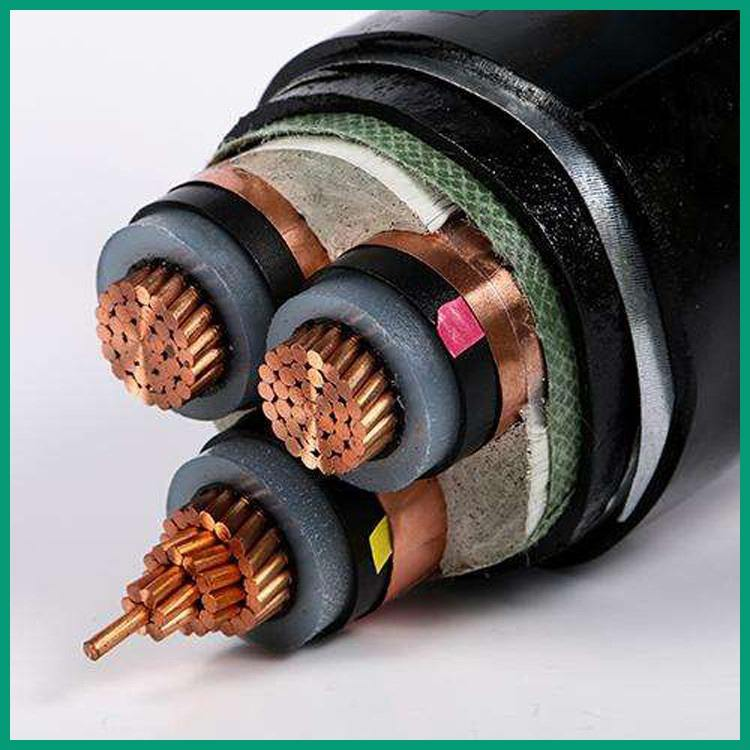
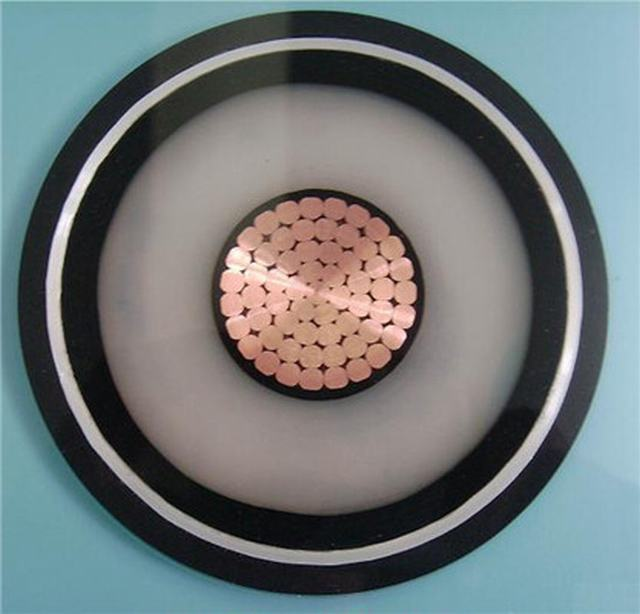
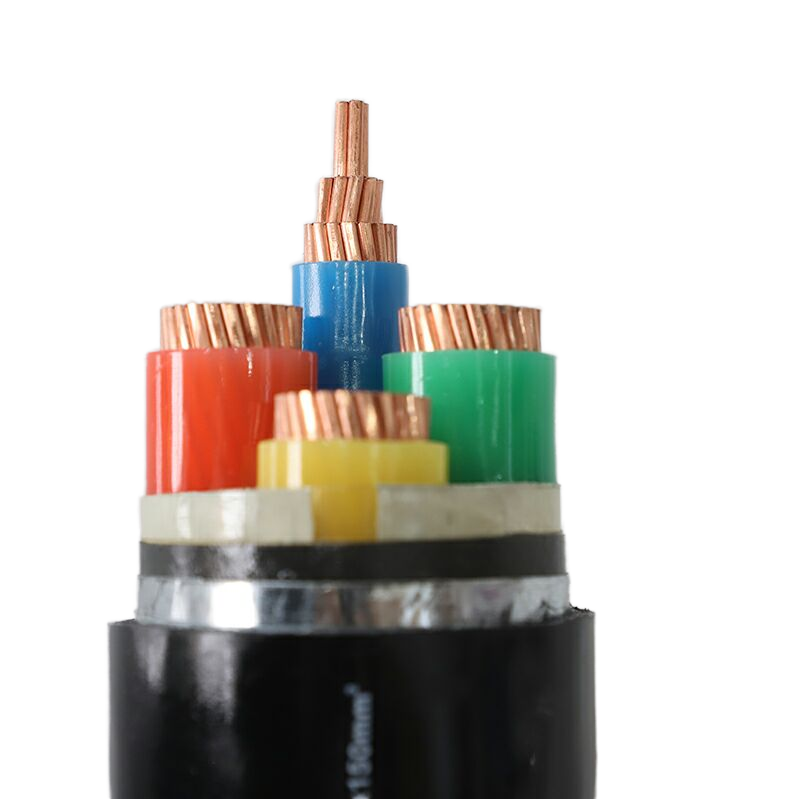
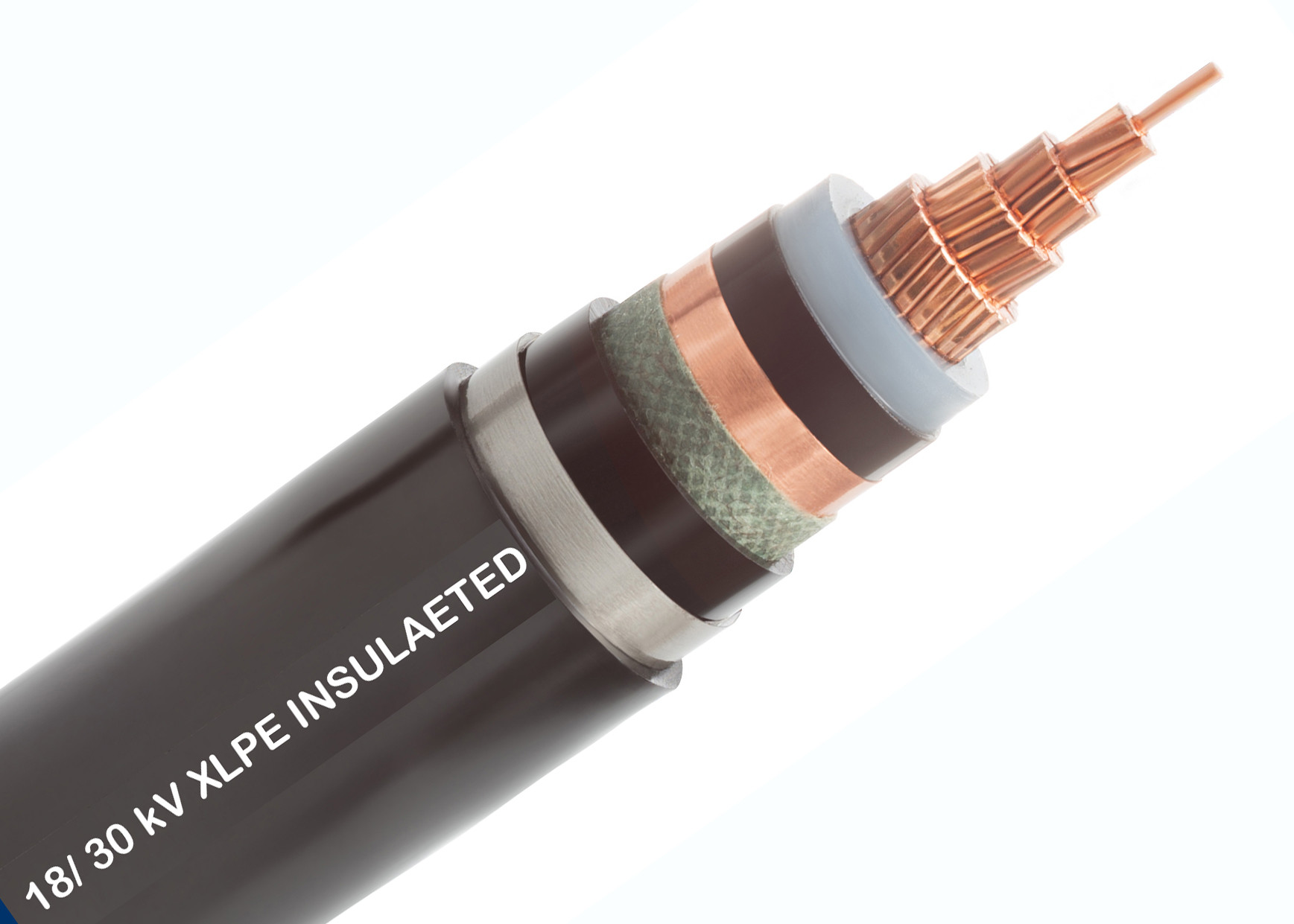
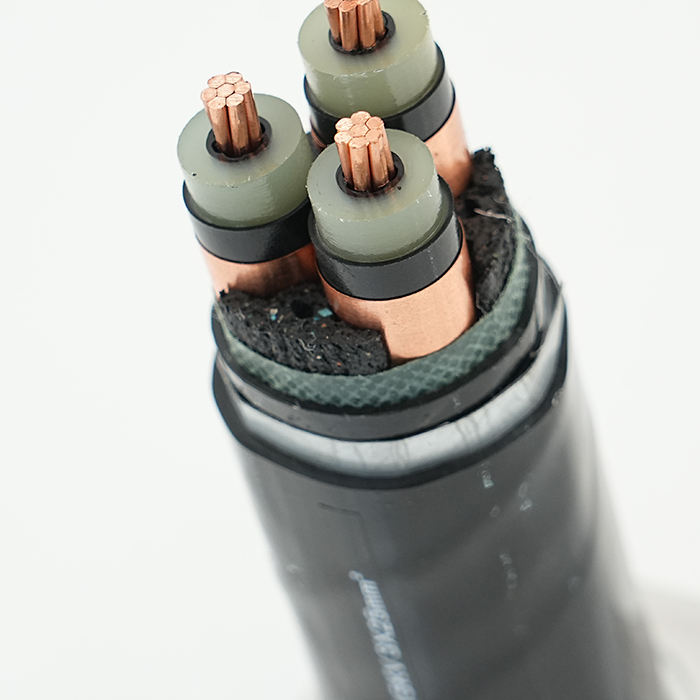
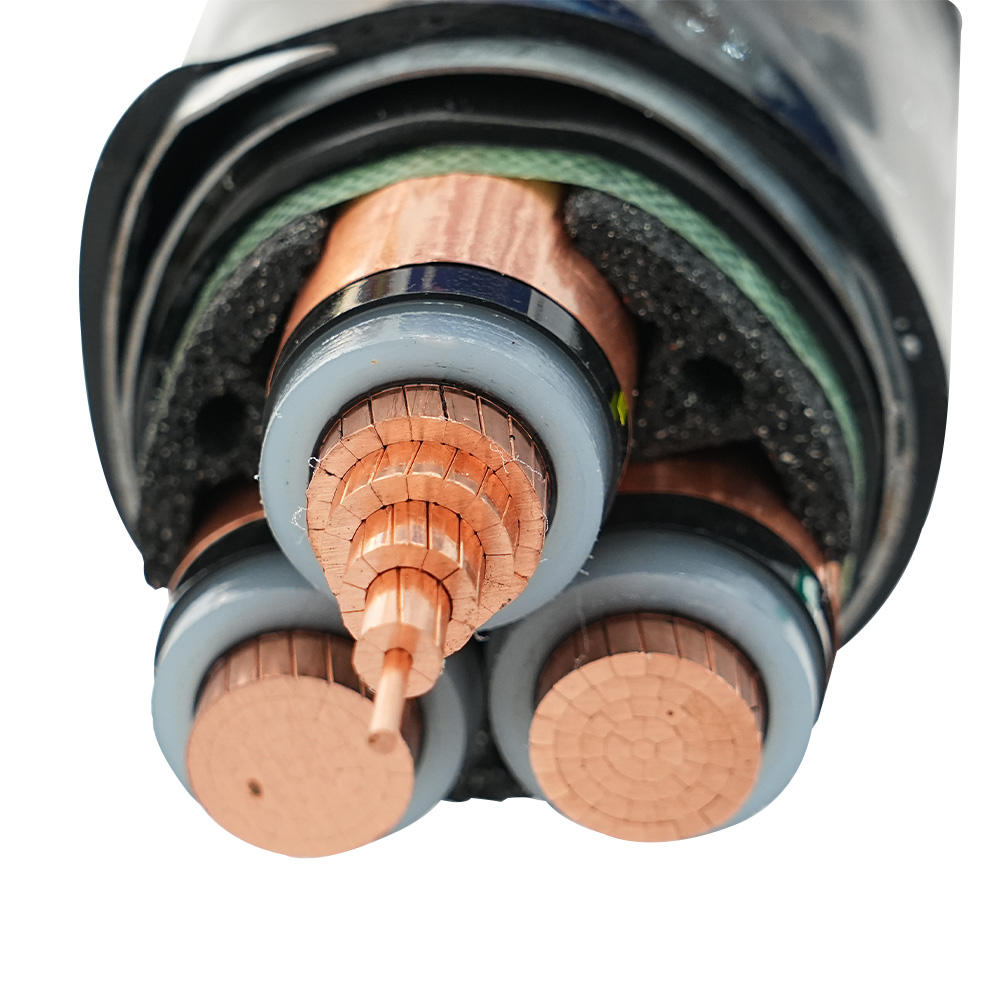
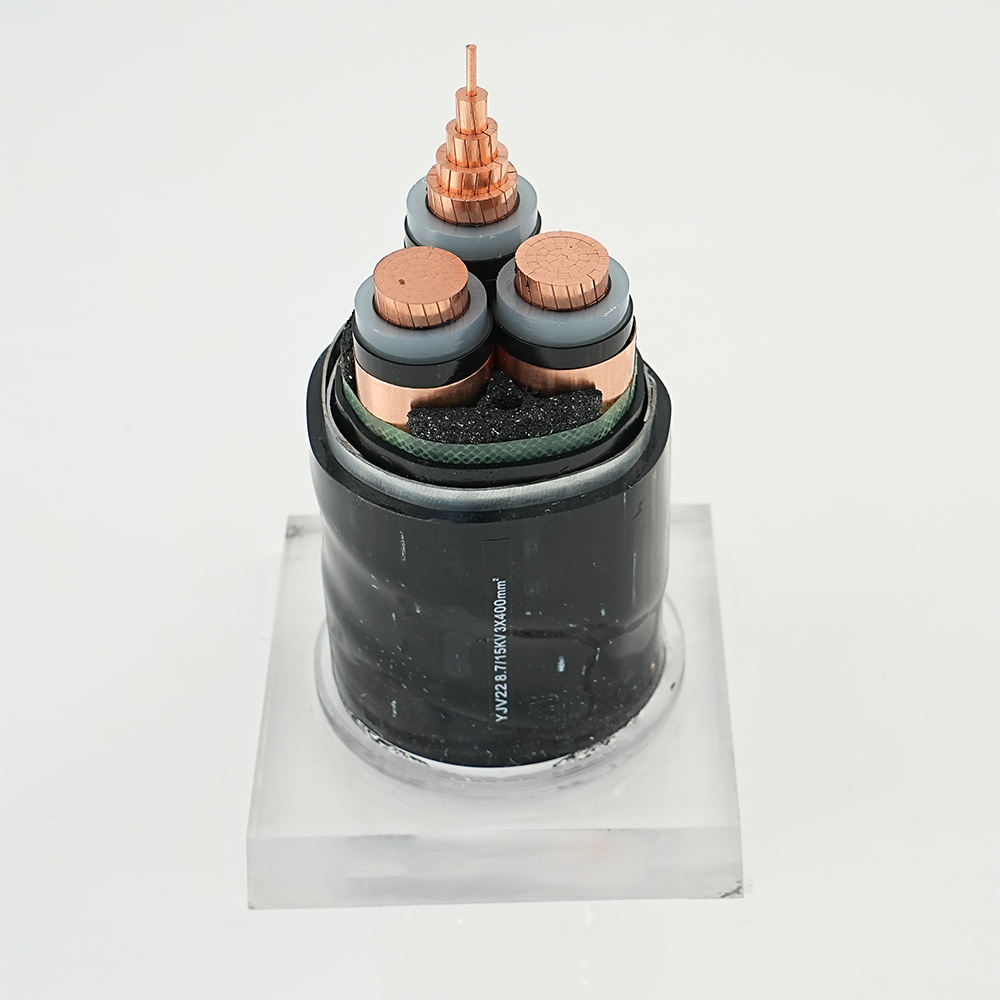
High Voltage Power Cable

Classification of power cables:
1.According to the voltage grade: can be divided into low voltage cable (generally refers to 1kV and below), medium voltage cable (3 ~ 35kV), high voltage cable (66kV and above).
2.According to the insulation material: oil soaked paper insulated cable, plastic insulated cable, rubber insulated cable and so on.
3.According to the laying method, it can be divided into direct buried cables, overhead cables, pipeline cables, etc.
- PRODUCT PARAMETERS -
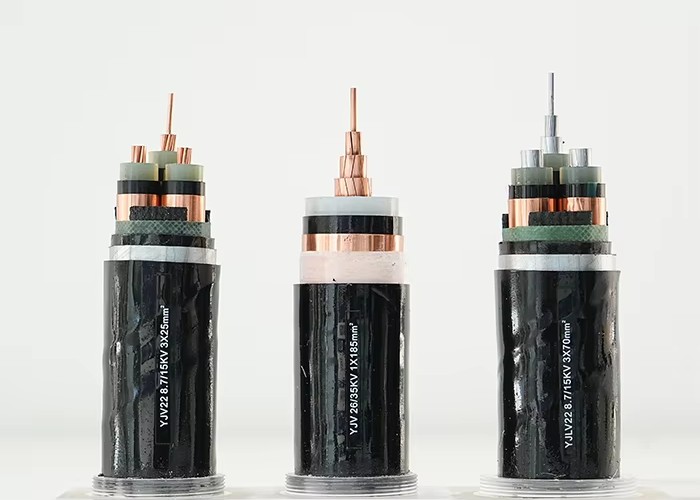
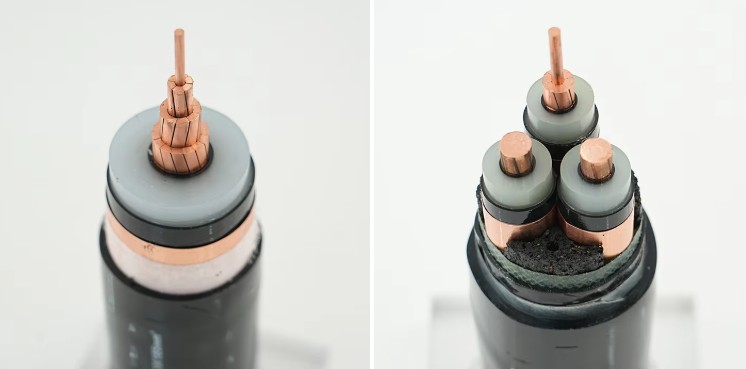
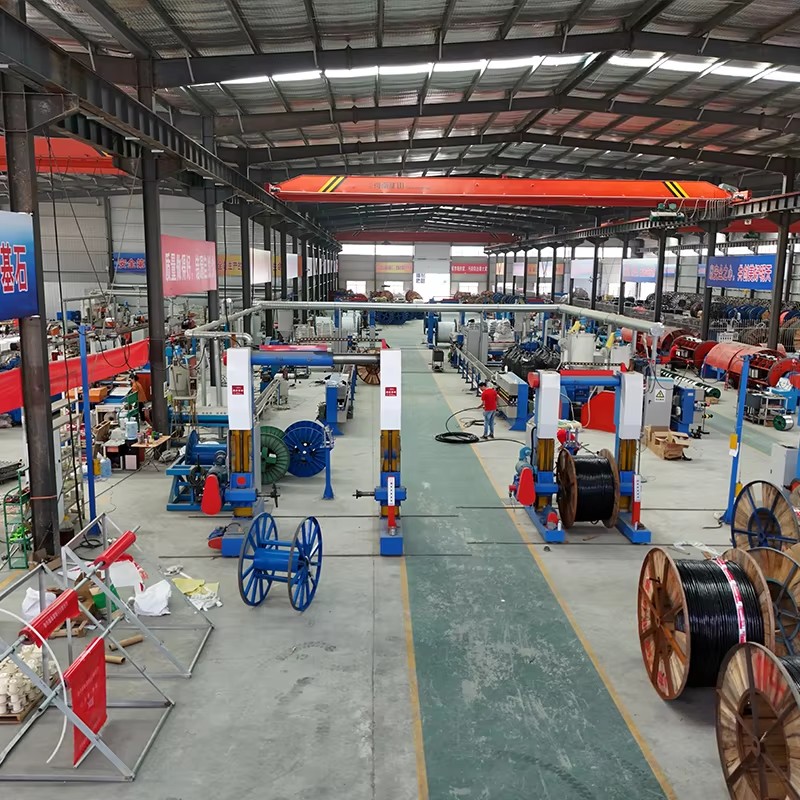
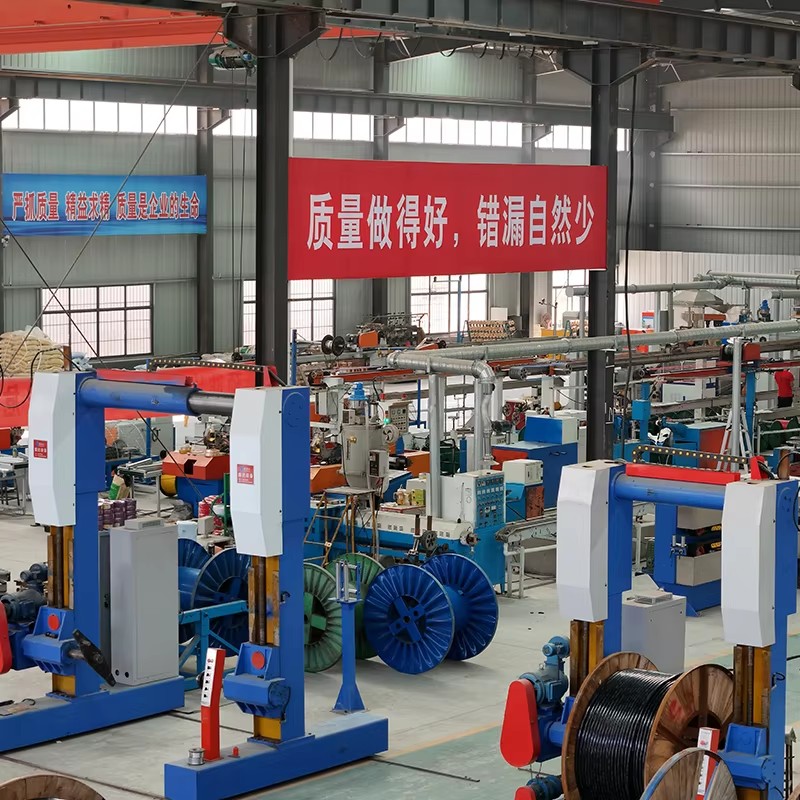
Power cables:Medium and high voltage cables 3kV, 6kV, 10kV Used in urban distribution networks (such as in residential areas and factories), as well as outgoing lines of low-voltage distribution substations. They have the largest usage and the widest coverage area. They are mostly single-core or three-core cables, and the laying methods are flexible (direct burial, conduit, or cable tray).
2. High-voltage cables 20kV, 35kV Regional distribution networks (such as industrial parks, suburban power transmission), 35kV substation incoming and outgoing lines Require higher insulation strength, larger conductor cross-section (to accommodate larger loads), commonly used for transmission over medium to short distances (10-50km)
3. Ultra-high voltage cables 110kV, 220kV, 500kV, 750kV Provincial / National backbone power grids (such as inter-city and inter-provincial power transmission), large power stations (hydroelectric / thermal power) grid connection insulation layer is thicker (such as cross-linked polyethylene insulation thickness reaching 20-40mm), mostly single-core (to reduce loss), requires cooling system (some 500kV and above adopt oil-filled / gas-filled insulation)
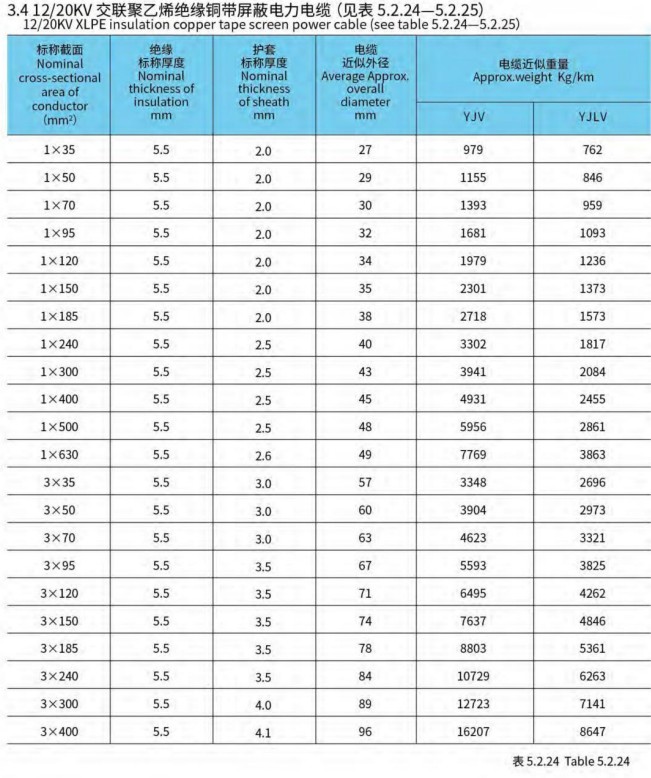
Specification
 Solar CablesLearn More
 Customized DC Solar CableLearn More
 Solar PV DC CableLearn More
 High-Strength Tethered Drone CablesLearn More
 Neoprene insulated Pure Copper CableLearn More
 Fire-Resistant Pure Copper PVC Power Cable for Railway Station and industrial ConstructionLearn More
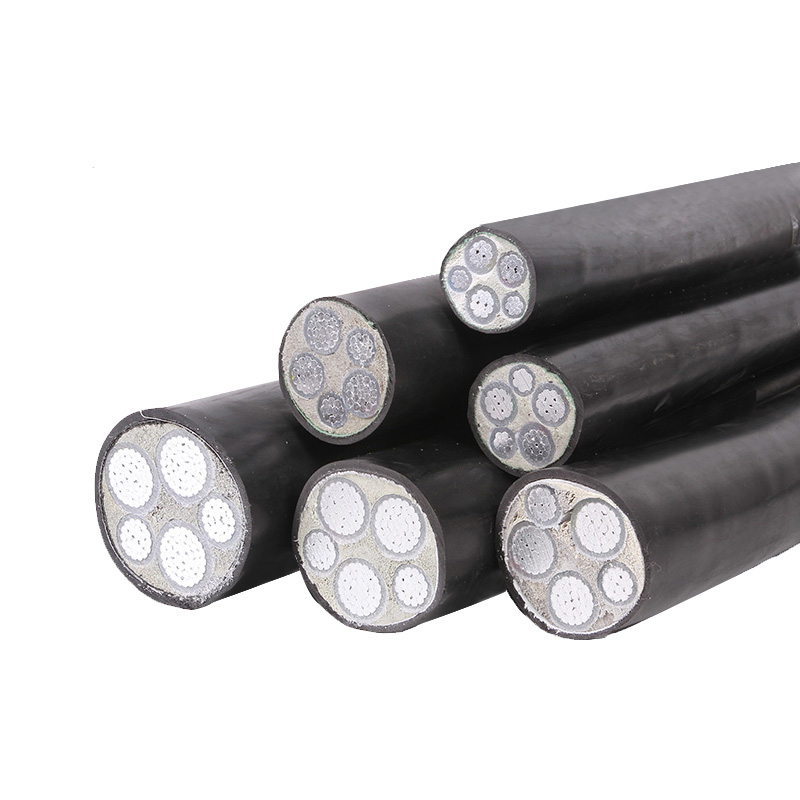
 Aluminum Power cableLearn More
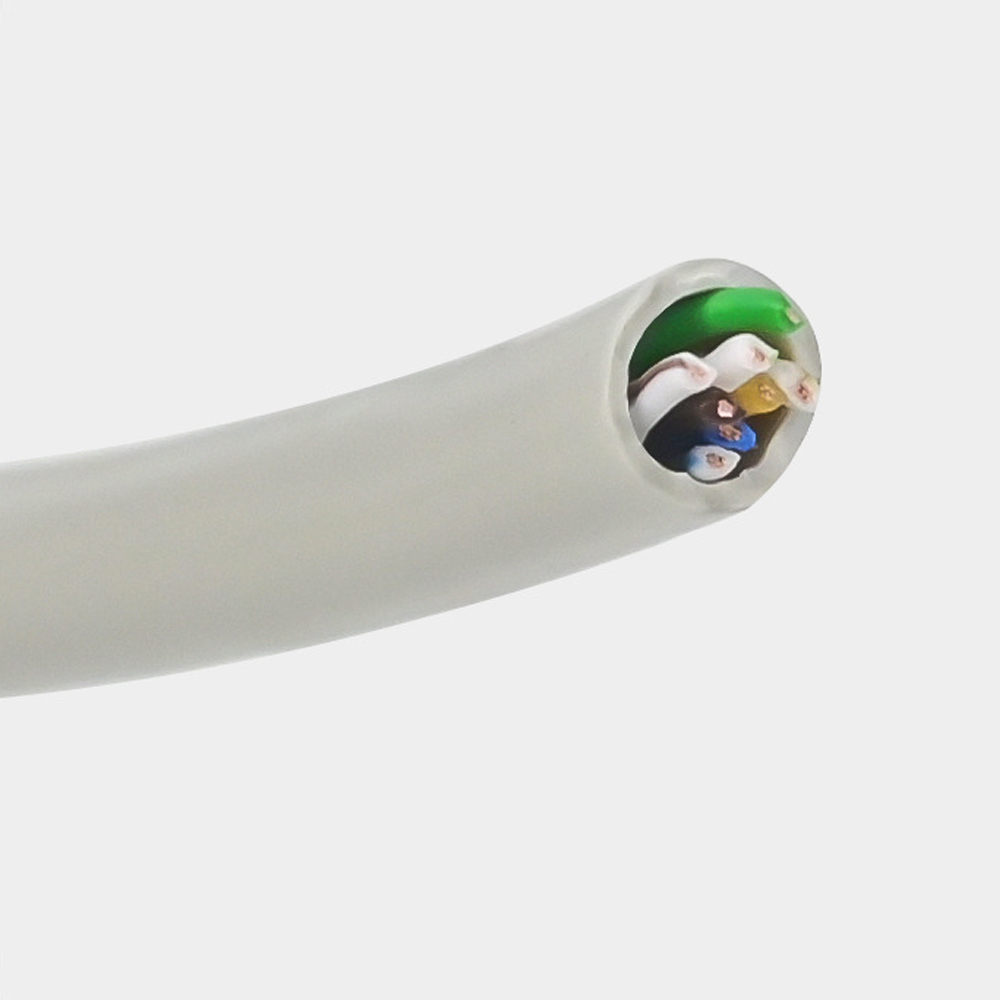
 Network Cable Patch CordLearn More
 Outdoor Waterproof High-Speed Ethernet CableLearn More